Culture — 23 September 2026
Nollywood Knows How to Make a Hit. Does It Know How to Build a Series?
Nigerian series arrive with ambitious worlds and then quietly stop. The question isn’t whether audiences will watch — it’s whether the industry is building television for television.
Words by Palmwine Paper
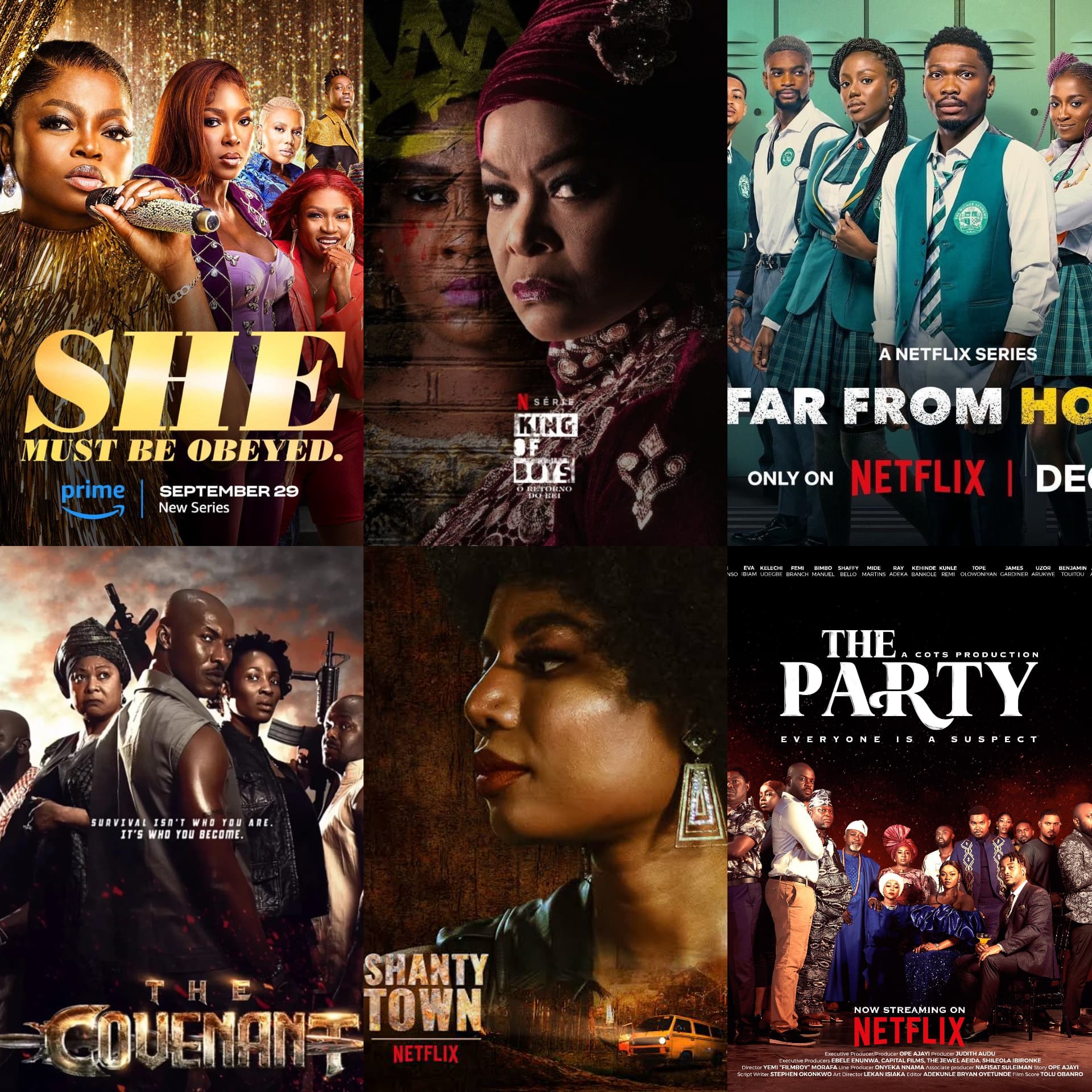
There is a particular kind of disappointment that comes with finishing a Nigerian series.
You become invested. You learn the characters. You argue about the plot with your friends. You spend days wondering what will happen next. Then the final episode arrives, the credits roll, and you are left with one question:
So… when is Season 2?
Sometimes, there is an answer. Often, there isn’t.
This has become an increasingly familiar experience with Nigerian series released on streaming platforms. Shows arrive with ambitious premises, attract significant attention, trend online and introduce audiences to characters and worlds that seem capable of continuing far beyond their first season. Yet, months or even years later, there is still no continuation.
And it raises a larger question about the Nigerian screen industry:
Does Nollywood know how to build a television franchise, or are we still approaching series with the mindset of making films?
The Season Two Question
Consider Far From Home, Netflix’s 2022 young-adult drama.
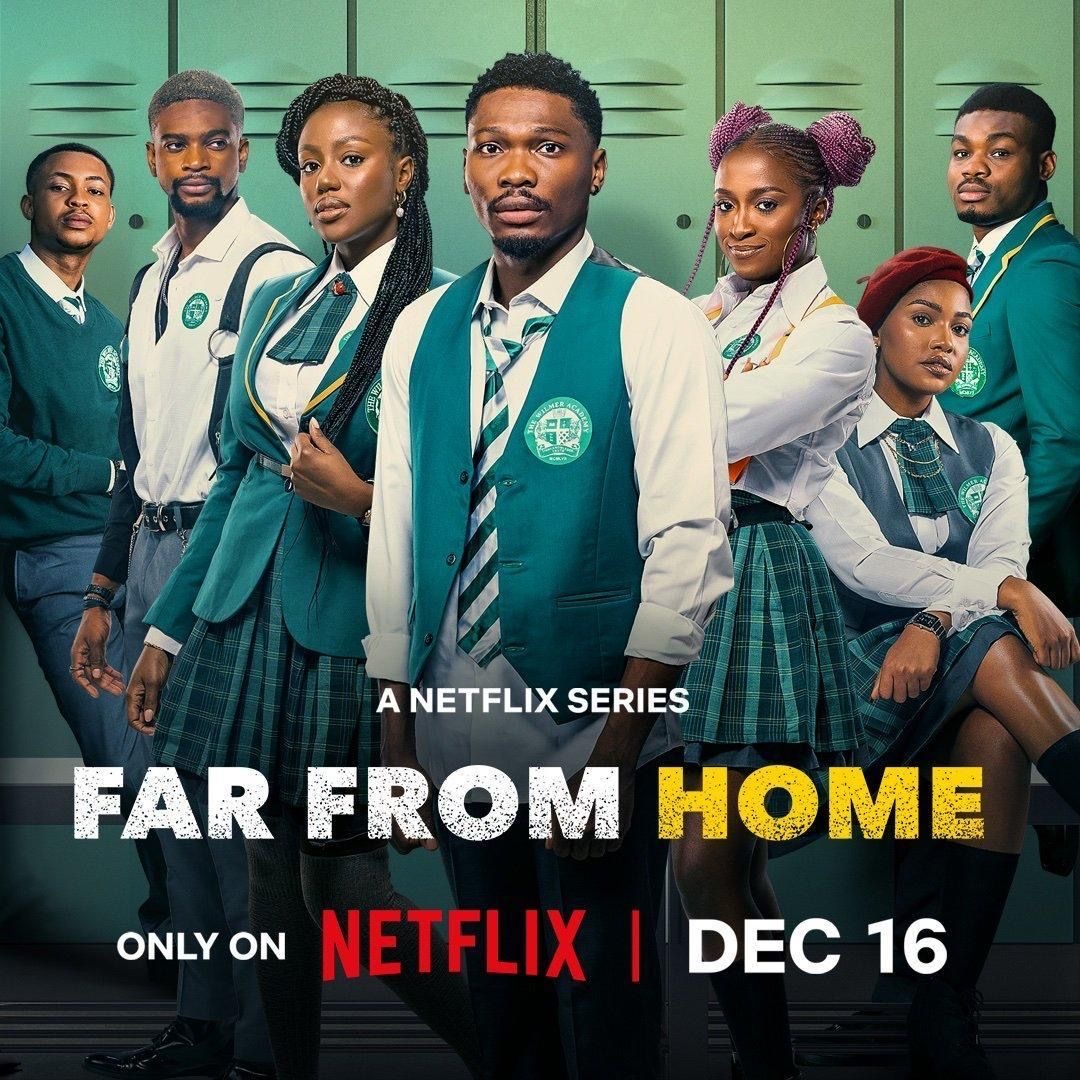
The series follows Ishaya, a talented teenager from a financially struggling family whose artistic ability earns him a scholarship to Wilmer Academy, an elite school populated by some of Nigeria’s wealthiest young people. Suddenly, Ishaya finds himself navigating a world of privilege, romance, friendships, secrets and social hierarchies that are very different from the life he knew.
It was the kind of premise that seemed built for continuation.
A new school year could bring new conflicts. Relationships could evolve. Characters could graduate, fall apart and reinvent themselves. Ishaya’s artistic ambitions could develop. The world established in the first season could become considerably larger.
But the first season, released in December 2022, remains the only season.
Netflix has not publicly provided a definitive explanation for why the series did not return.
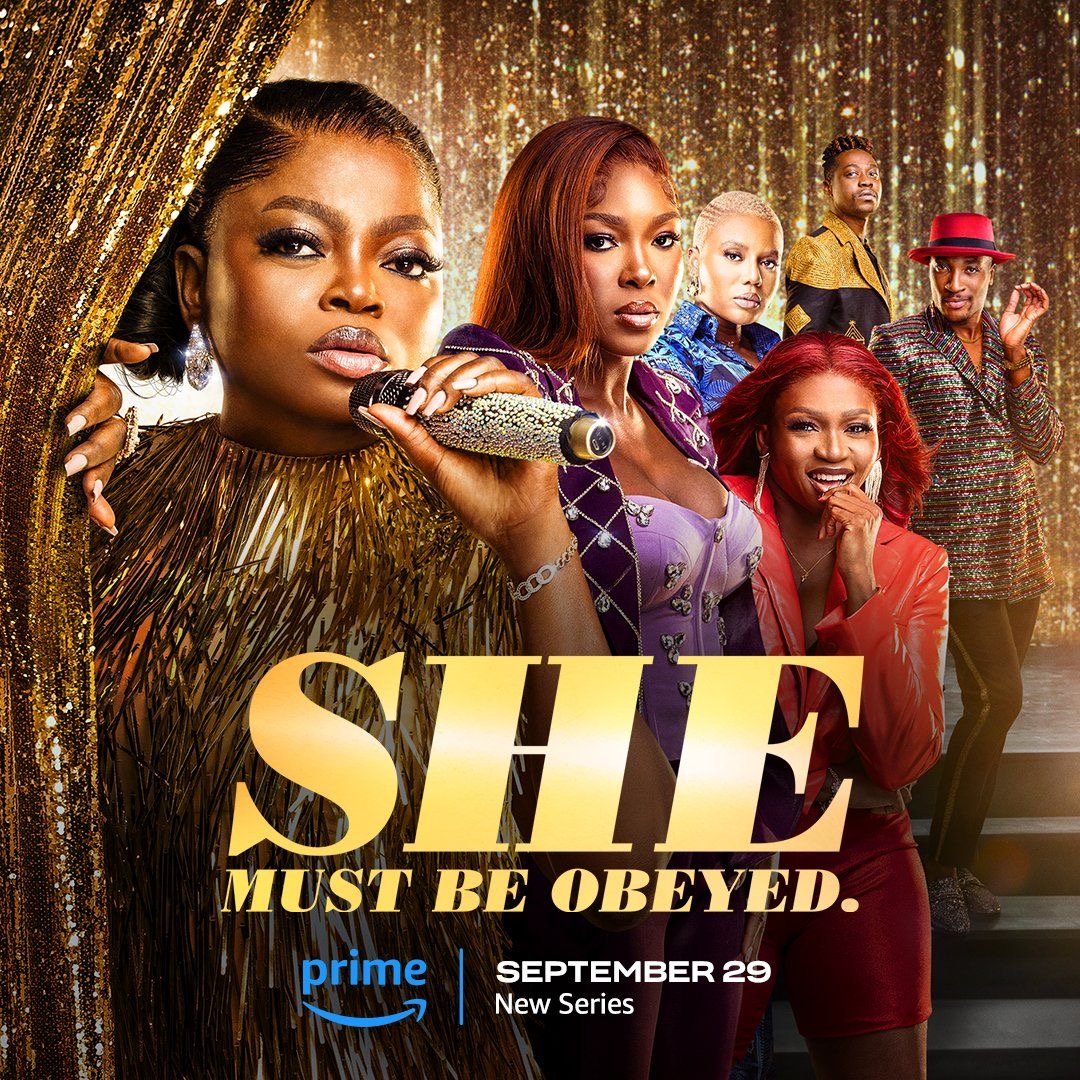
Then there is SHE Must Be Obeyed, the five-episode Prime Video drama centred on Siyanbola Adewale, an enormously successful Afrobeats star whose determination to remain at the top has consequences for the people around her. Betrayal, revenge and the darker side of fame drive the story.
Again, the world was expandable.
Yet it remains a one-season series.
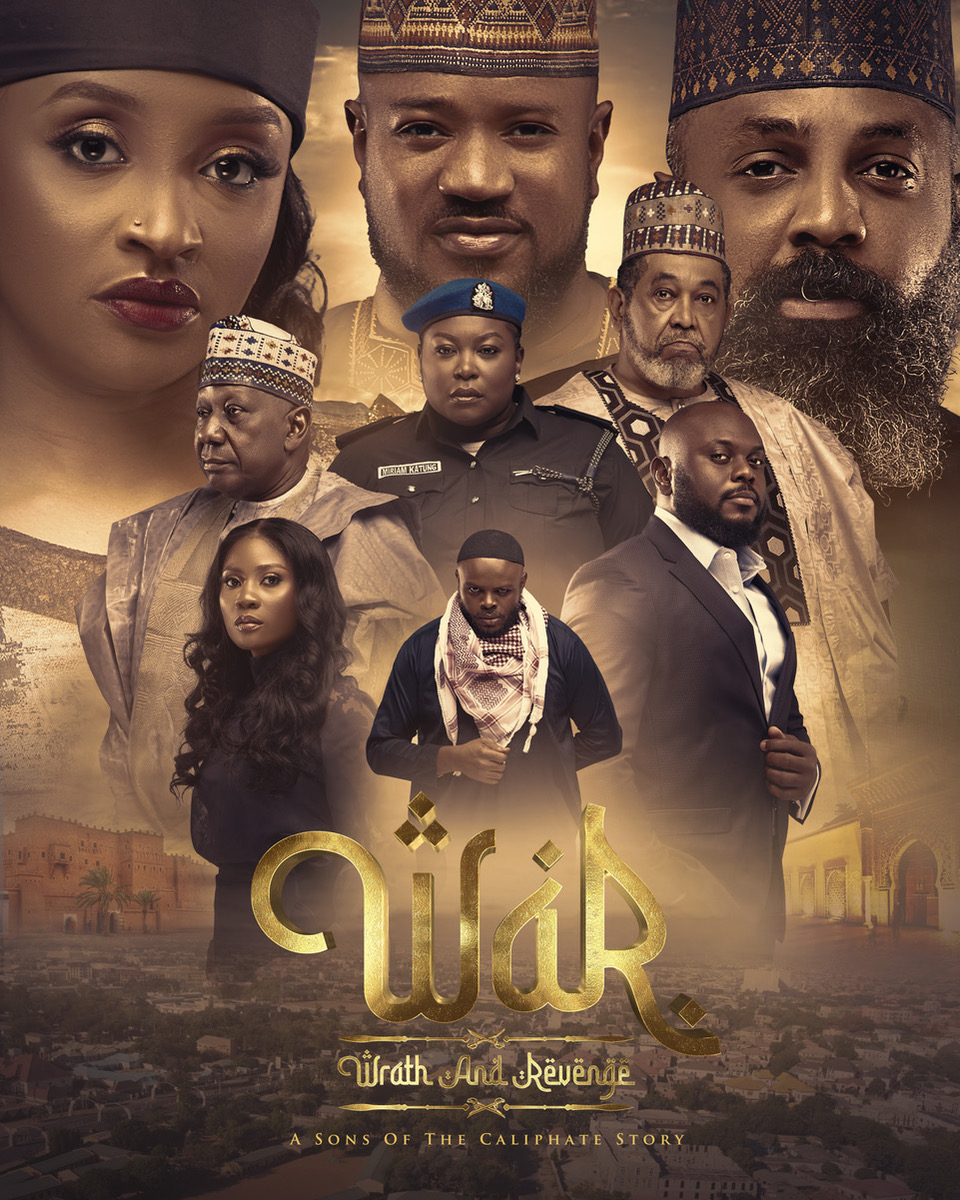
WAR: Wrath and Revenge followed a similar pattern. The political thriller centres on Nuhu Bula, a man positioning himself to become governor of Kowa, while his wife, Binta, discovers his plans to marry another woman and begins working against him. Politics, marriage, corruption, ambition and revenge provide enough material to sustain an expansive fictional universe.
But once again, there has been no continuation.
And then there is The Party, which presents an even more interesting case.
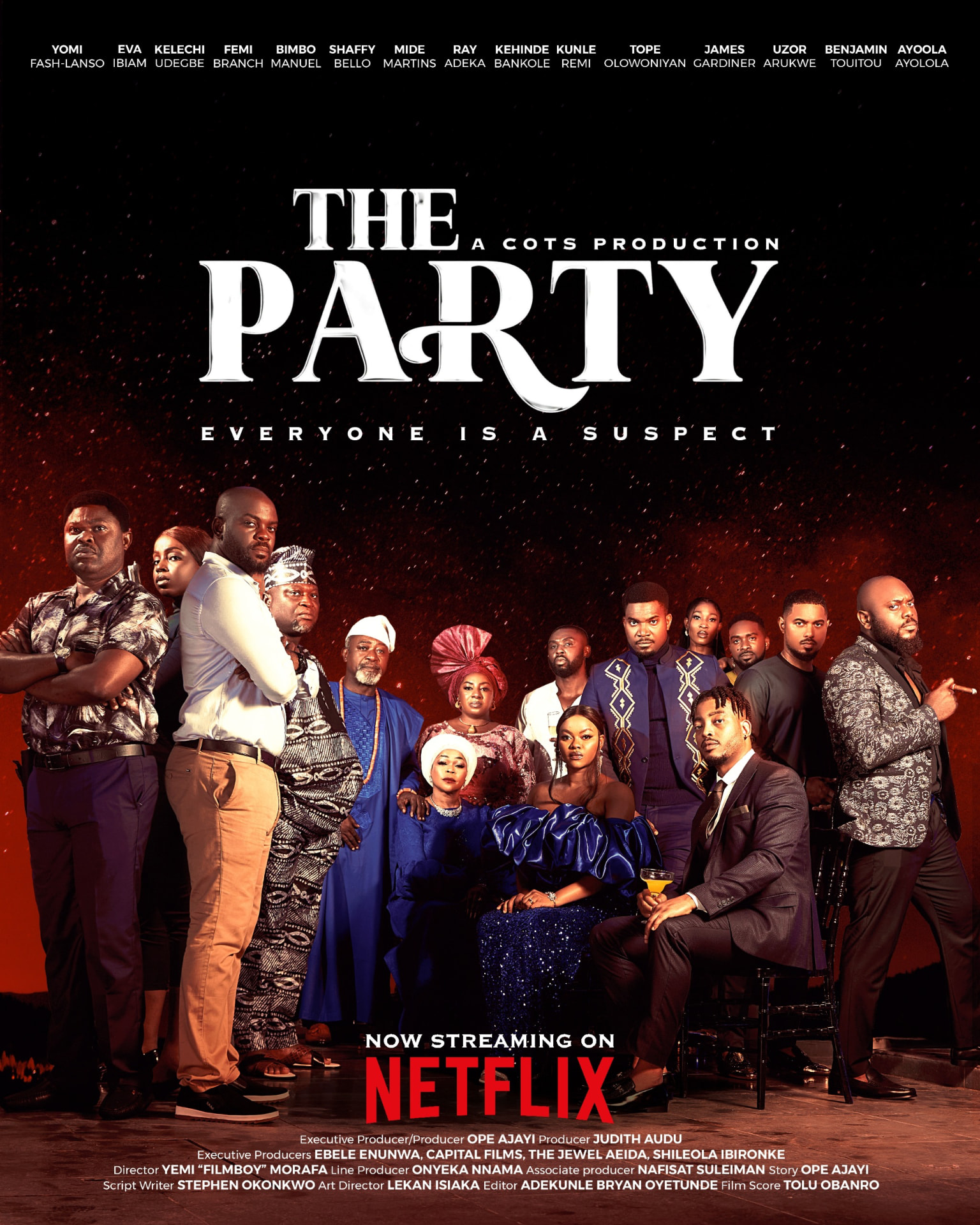
The Netflix production follows an investigation into the death of a young man at his birthday party, with virtually everyone present becoming a potential suspect. But the project itself reveals something important about how Nigerian productions can move between formats: The Party was originally conceived as a feature film before being restructured into a three-part series.
That distinction matters.
Because perhaps part of the problem is not that Nigerians cannot tell stories across multiple episodes.
Perhaps we have not yet fully developed the culture of creating television for television.
We Know Audiences Will Watch
It would be easy to argue that Nigerian series simply do not have enough of an audience to justify multiple seasons.
But that argument becomes difficult to sustain.
Nigerian audiences clearly consume serialized content.
We watch international coming-of-age dramas, high-school shows, fantasy series, medical dramas, legal dramas, political thrillers and romantic series. We become attached to characters who exist across multiple seasons and return to fictional worlds year after year.
So why wouldn’t we do the same with our own stories?
The success of Nigerian productions on international streaming platforms has already demonstrated that the audience for Nigerian storytelling can extend beyond Nigeria.
Blood Sisters is particularly interesting because it complicates the entire conversation.
The 2022 Netflix series was initially conceived as a limited story. Yet after its performance, Netflix eventually ordered a second season. Season 2 arrived in 2026, four years after the first season.
The story itself had already demonstrated the potential of a Nigerian production to travel internationally. More importantly, its continuation demonstrated something the industry cannot ignore:
“Sometimes, the audience is willing to wait.”
The existence of Blood Sisters also shows why it would be too simplistic to say that Netflix or streaming platforms simply refuse to invest in Nigerian series.
The reality is more complicated.
Streaming platforms are businesses. A second season is another major financial commitment: another production budget, another marketing campaign, cast contracts, locations, crew, post-production and distribution costs.
And the economics of Nigerian filmmaking have become increasingly difficult.
Production costs have risen while the value of the naira has fallen. Producers have to think carefully about what they can afford to make, while streaming platforms have also become more selective about the number of original productions they commission.
So perhaps the real question isn’t: Why don’t they just make Season 2?
It is: What needs to happen for Season 2 to make financial sense?
The Film Mindset
There is another possibility that is harder to measure but perhaps even more interesting.
Nollywood was built largely around films.
For decades, the industry’s model has been remarkably efficient: make a movie, distribute it, release another movie and keep moving.
That model rewards volume.
Television requires something different.
A series requires writers to think beyond a single ending. It requires producers to think about character development across several years. It requires actors to potentially commit to characters for longer periods. It requires production companies to plan for future seasons before audiences even know whether they will want them.
Most importantly, it requires world-building.
A film asks: How do we tell this story? A long-running series asks: What happens after this story?
That is a fundamentally different question.
When a series is conceived from the beginning as a potential multi-season production, the writers can deliberately leave certain questions unresolved, introduce characters whose stories have not yet reached their climax and create conflicts that can evolve rather than conclude.
The objective isn’t to frustrate the audience with an unfinished story.
It is to create a world that has somewhere to go.
The Limited-Series Trap
There is also nothing inherently wrong with a one-season series.
Not every story needs five seasons.
Some stories are better told in six episodes and finished properly. In fact, forcing a story to continue simply because the first season performed well can make the eventual sequel weaker.
The problem is different.
The problem is when the industry creates something that feels like the beginning of a much larger story without having a clear strategy for what comes next.
Audiences are left waiting for a continuation that may never come.
And this can affect how viewers engage with new Nigerian series.
Why become deeply invested in a show if there is a possibility that the story will disappear after one season? Why build emotional attachment to characters when their futures are uncertain?
For streaming platforms, audience retention is the entire point of serialized storytelling. A viewer who finishes Season 1 should ideally have a reason to return for Season 2.
That means Nigerian productions need to think beyond simply getting people to press play.
They have to give people a reason to come back.
But What About Exporting Nigerian Stories?
This is where the conversation becomes much bigger than Season 2.
For years, the idea of Nigerian entertainment going global has often been framed around individual films, music or actors.
But television presents another opportunity.
Imagine a Nigerian coming-of-age drama that runs for four seasons. A Nigerian medical drama where the characters develop alongside the audience. A Nigerian legal drama that explores the Nigerian justice system while remaining accessible to international viewers. A Nigerian fantasy series that builds an entirely original mythology. A Nigerian teenage drama that becomes a cultural reference point for an entire generation. A political thriller whose fictional world expands with every season.
These are not impossible ideas.
International audiences already consume stories from countries whose television industries have developed strong identities of their own. Korean dramas, Spanish thrillers, British crime series and Scandinavian dramas have all demonstrated that audiences do not need a story to originate in Hollywood for them to become invested in it.
The question, then, is not whether Nigerian stories can travel.
They already do.
The question is whether Nigerian television can develop the infrastructure and creative consistency required to make those stories last.
We Don’t Need to Make Nigerian Stories Less Nigerian
There is another misconception worth challenging.
For a Nigerian series to be exported, it does not necessarily have to become culturally generic.
The goal should not be to remove everything distinctly Nigerian until the story looks like it could have been produced anywhere.
In fact, specificity may be the advantage.
The Nigerian music industry. Nigerian universities. Lagos nightlife. Nigerian politics. Family structures. Religion. Class. Fashion. Friendship. Dating. Ambition. Migration. Tradition versus modernity.
These are not limitations.
“They are worlds.”
The international audience does not necessarily need Nigerian stories to resemble American television.
They need Nigerian stories that are well written, well produced and emotionally understandable.
Blood Sisters did not have to stop being Nigerian to reach an international audience. Far From Home did not have to become an American high-school drama to tell a coming-of-age story.
There is room for Nigerian television to become global without becoming culturally diluted.
So, Where Is Season Two?
Perhaps the most important shift Nollywood needs is not simply learning how to make more series.
It is learning how to build series as long-term intellectual properties.
The first season should not always be the destination. It can be the beginning.
That means developing writers’ rooms, investing in stronger television development, understanding audience data, negotiating longer-term cast arrangements, planning production schedules realistically and, perhaps most importantly, knowing whether a story is designed to be a limited series or a returning franchise before production begins.
Streaming has changed the relationship between audiences and television.
Viewers are no longer waiting every week for a network to decide what they can watch. They can discover a Nigerian series today, finish it tomorrow and immediately begin looking for the next season.
The expectation has changed.
Nigerian audiences are already consuming television this way.
Perhaps the industry now needs to catch up.
Because Nollywood has proven that it can create stories people will watch. It has proven that Nigerian actors can carry global productions. It has proven that Nigerian stories can find audiences outside Nigeria.
What remains to be proven is whether those stories can become worlds that audiences return to year after year.
And maybe that is the next evolution of Nollywood.
Not simply making another hit.
But learning how to make the next season of one.
Continue reading
Related story
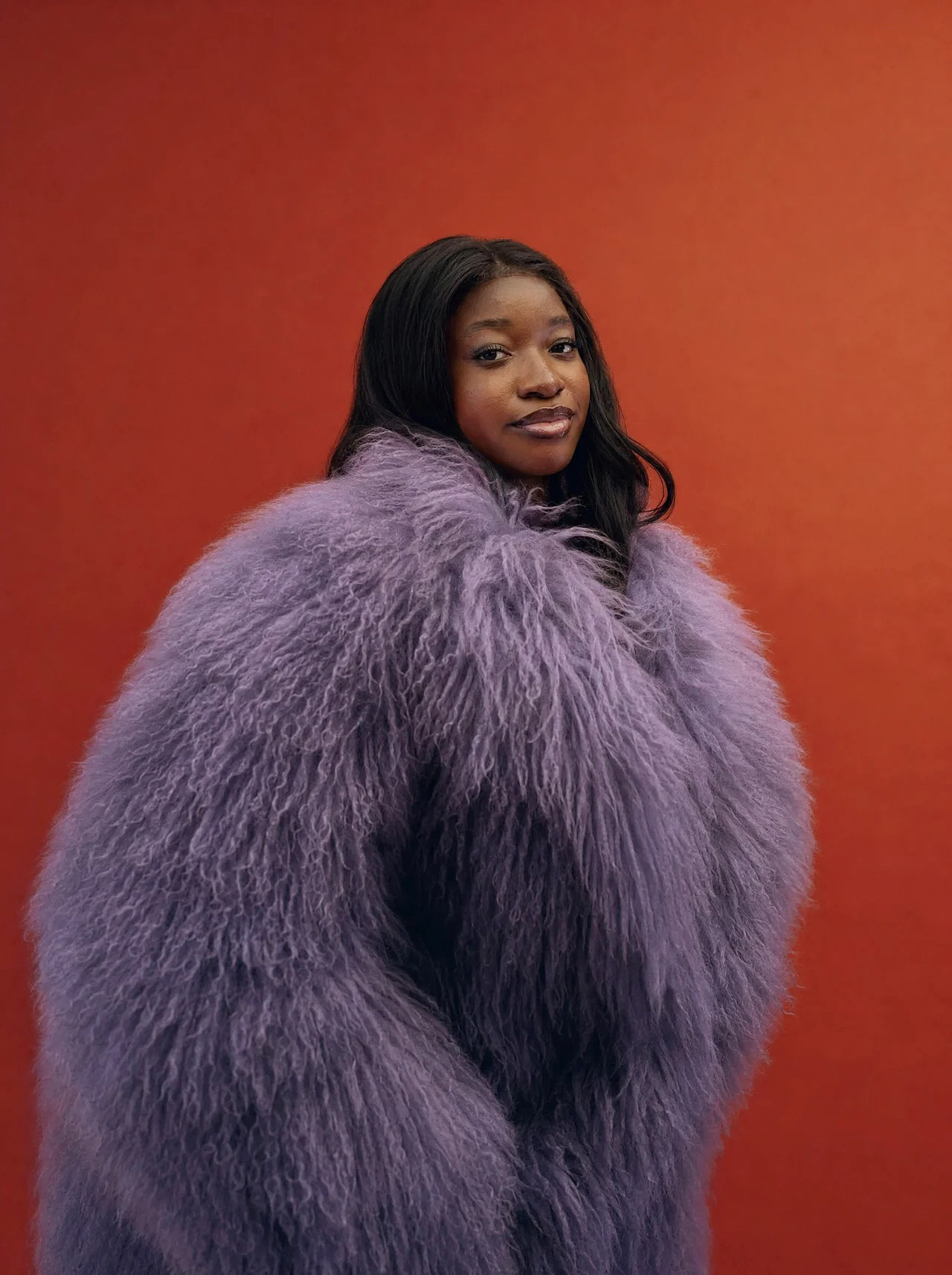
People — 17 August 2026
The Story Behind Palmwine Paper
A conversation with the founder on where it started, why it stopped, and why now.
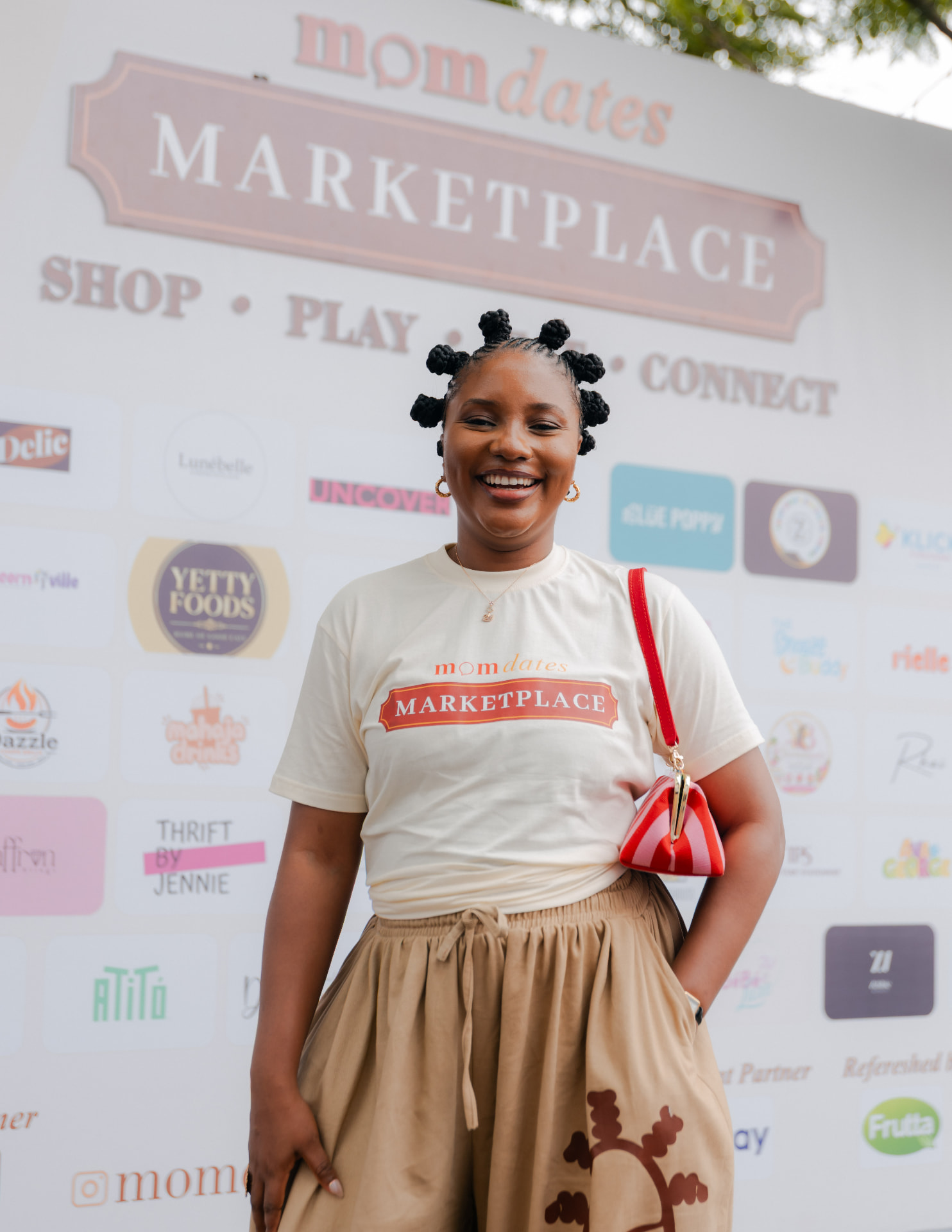
Events — 12 September 2026
A Day Out for the Mums: Inside the First Momdates Marketplace
On September 12, Momdates took its community beyond the monthly meet-up and into the marketplace, bringing mothers, children, brands, food and family fun together at Muri Okunola Park.
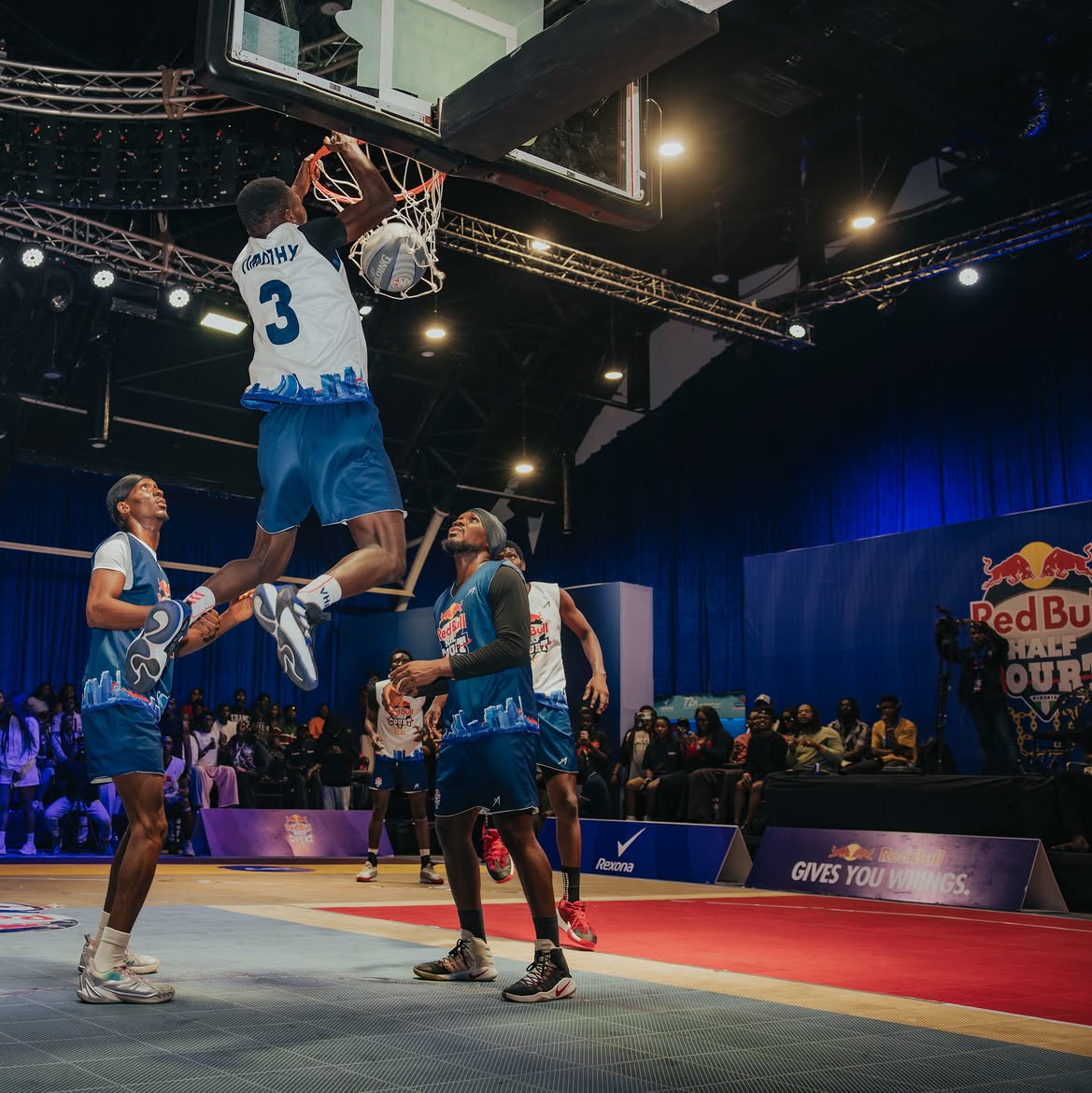
Culture — 15 September 2026
The Road to the Finals: Inside Red Bull Half Court Nigeria 2026
One court, twelve teams and a ticket to the world final in the Philippines.