People — 17 August 2026
The Story Behind Palmwine Paper
A conversation with the founder on where it started, why it stopped, and why now.
Words by Palmwine Paper
Why start Palmwine Paper now?
Honestly, there’s never really a right time. I know that now. But it took me a long time, and a false start, to actually believe it.
Is this your first time doing something like this?
No. Before Palmwine Paper, there was Official Teens Magazine. I started it in high school with no real plan beyond a feeling that there were people doing interesting things, and people who hadn’t even started yet but had dreams worth taking seriously, and that somebody should be paying attention.
What happened with that project?
It grew in a way I didn’t expect. I ended up interviewing over 50 teenagers and young adults across Nigeria, South Africa, the UK, and Canada. People reached out to me. It wasn’t polished. It wasn’t strategic. But it was real, and it taught me more than I understood at the time.
So why did it stop?
School happened, the way it does. Exams, university, the slow takeover of a life by things that have deadlines. I had to let the blog go.
Did that feel like a loss?
I want to be honest here, because I think the expected version of this story is that it did. It didn’t. It made me more confident, not less. I still carried those stories with me—the conversations, the instinct for asking a good question, the sense that I was building toward something even if I couldn’t yet say what. I just didn’t have the language for it yet.
“A publication isn’t defined by how many people you talk to. It’s defined by its point of view.”
What’s different this time around?
Back in high school, I was thinking like someone trying to make a publication. I measured it by output—how many interviews, how many people, how much reach. Now I understand that a publication isn’t defined by how many people you talk to. It’s defined by its point of view.
What have you learned since then?
A few things. Good questions rarely come from trying to sound like an interviewer; they come from actually being curious about the person in front of you. People are more interesting when you let them be specific, rather than flattening them into a polished bio. A beautiful story isn’t automatically a good one; the visuals pull someone in, but the thinking is what makes them stay. And I don’t have to chase relevance. If a publication has a strong enough point of view, relevance follows from consistently knowing what’s actually worth paying attention to.
What made you realize you had an ‘editorial instinct’?
I’ve always been naturally curious about people and culture—the way someone dresses, the way a space is designed, why a place or a person suddenly becomes the thing everyone’s talking about. I used to think that was just how I was wired. Now I recognize it as an editorial instinct. It was always there. I just didn’t have a name for it.
Why the name ‘Palmwine’?
It’s intentional, and it’s Nigerian on purpose. Palmwine carries associations that run through Nigerian and African life: gathering, conversation, storytelling, music, community, folklore, friendship. It shows up across our literature and our social life; Amos Tutuola’s The Palm-Wine Drinkard is one of the works that carried Yoruba storytelling to an international audience.
I’m not using the name literally. It’s a metaphor for gathering around a story. Wherever people are gathered around palmwine, there’s a story being told—and Palmwine Paper exists to write it down.
What almost stopped you from starting?
Fear, mostly. What if I fail? Can I really do this on my own? Is this even the right time? I’ve since realized that the people doing work I admire now had those same doubts. They just didn’t let the doubt make the decision for them. Fear isn’t a license to quit. It’s usually a sign to keep going.
What is Palmwine Paper, really?
The teen blog taught me how to start something. Palmwine Paper is about learning how to edit, observe, question and build something that can actually outlive me—not because I’m trying to prove I can do this, but because I have something I actually want to say about the culture around me.
This is that beginning, properly this time.
Continue reading
Related story
Events — 12 September 2026
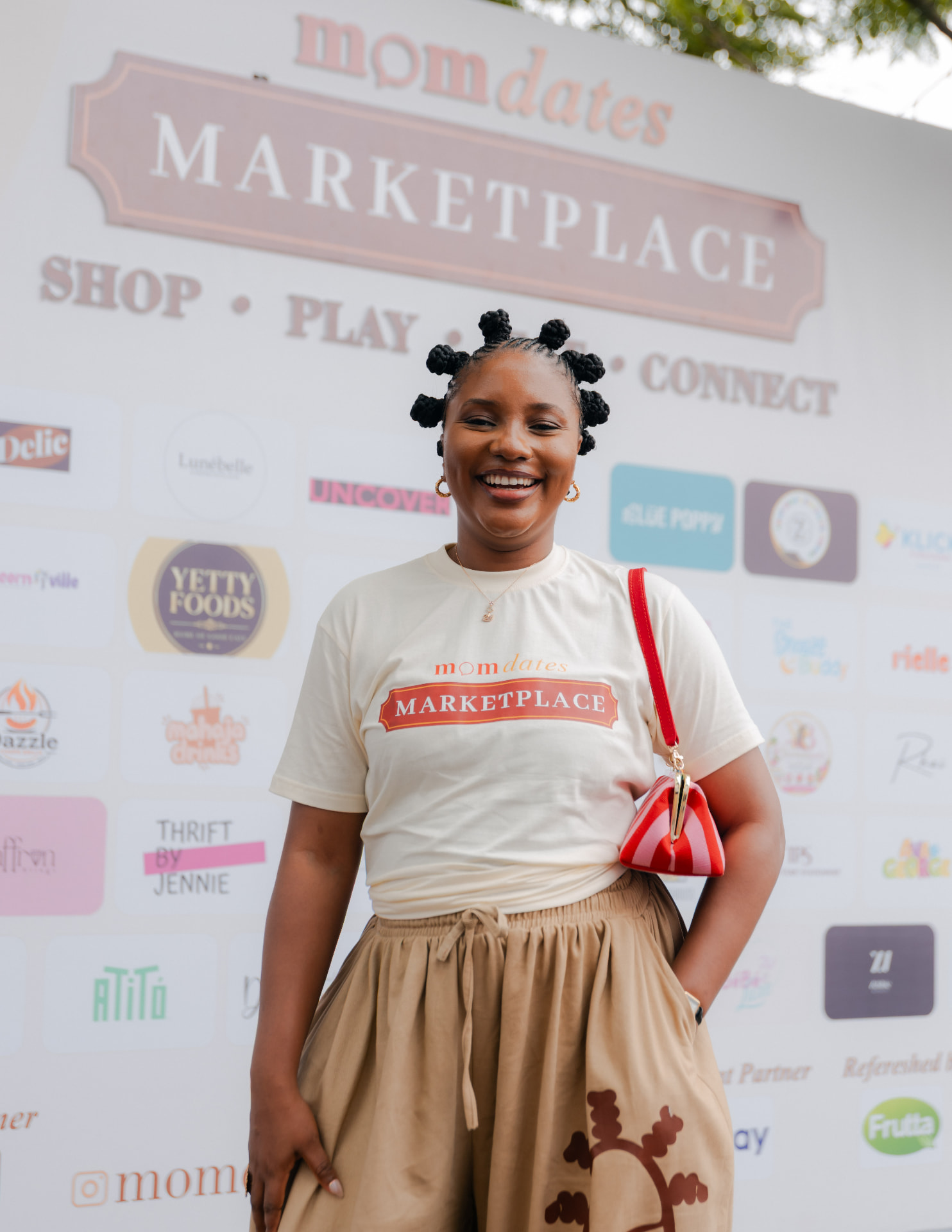
A Day Out for the Mums: Inside the First Momdates Marketplace
On September 12, Momdates took its community beyond the monthly meet-up and into the marketplace, bringing mothers, children, brands, food and family fun together at Muri Okunola Park.
Culture — 23 September 2026
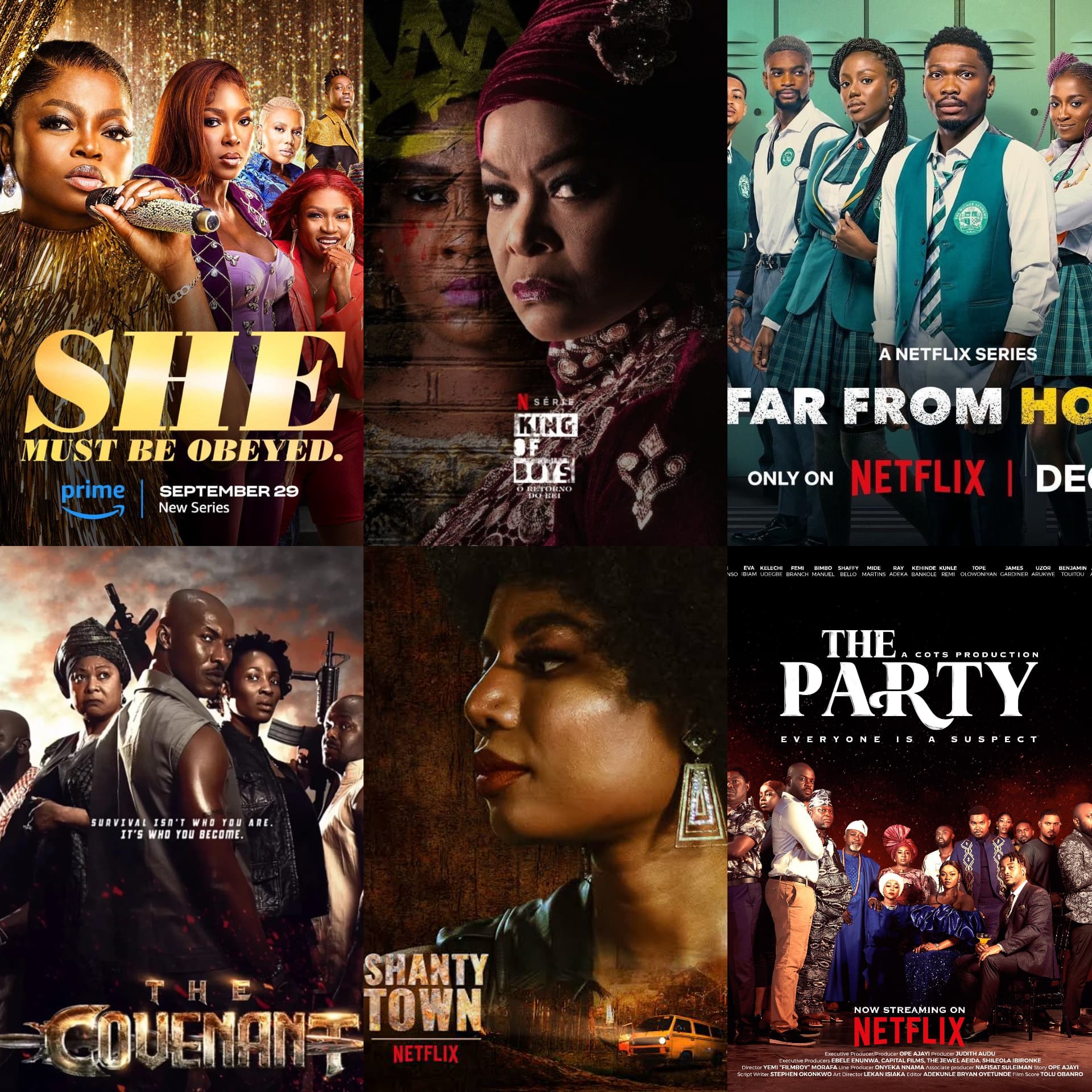
Nollywood Knows How to Make a Hit. Does It Know How to Build a Series?
Nigerian series arrive with ambitious worlds and then quietly stop. The question isn’t whether audiences will watch — it’s whether the industry is building television for television.

Culture — 15 September 2026
The Road to the Finals: Inside Red Bull Half Court Nigeria 2026
One court, twelve teams and a ticket to the world final in the Philippines.